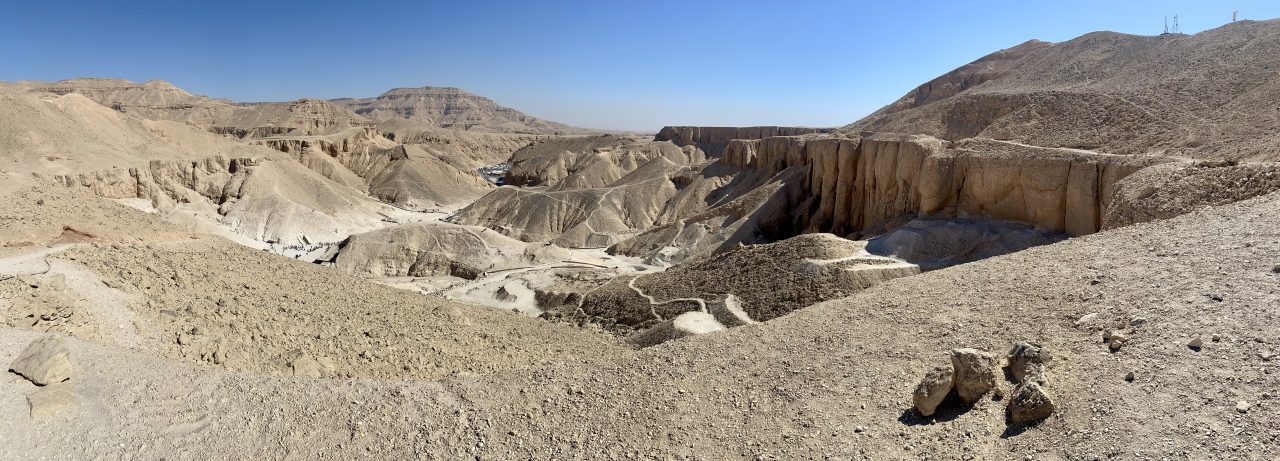
Hi folks, I hope you’ve all had a good summer. As many of you will know I’ve been taking a break from my lecture series for the last few months and having recharged my batteries I’m ready to start again. I’m going to be easing my way back in with a version of a talk I first gave earlier this year which was as much a pleasure and an honour as anything else: I was standing in for John J Johnston, who would have been lecturing to the Sussex Egyptology Society had it not been for his untimely death last year. I took the opportunity to talk about John, who had been a great friend for many years, and some of his favourite subjects. So, I hope you’ll join me in a couple of weeks’ time for:
Antinous, Sutekh and a Time Lord walk into a Cocktail Bar: a lecture in tribute to John J Johnston
Wednesday 16 September 2026, 6.00 pm UK time
Live via YouTube – click here
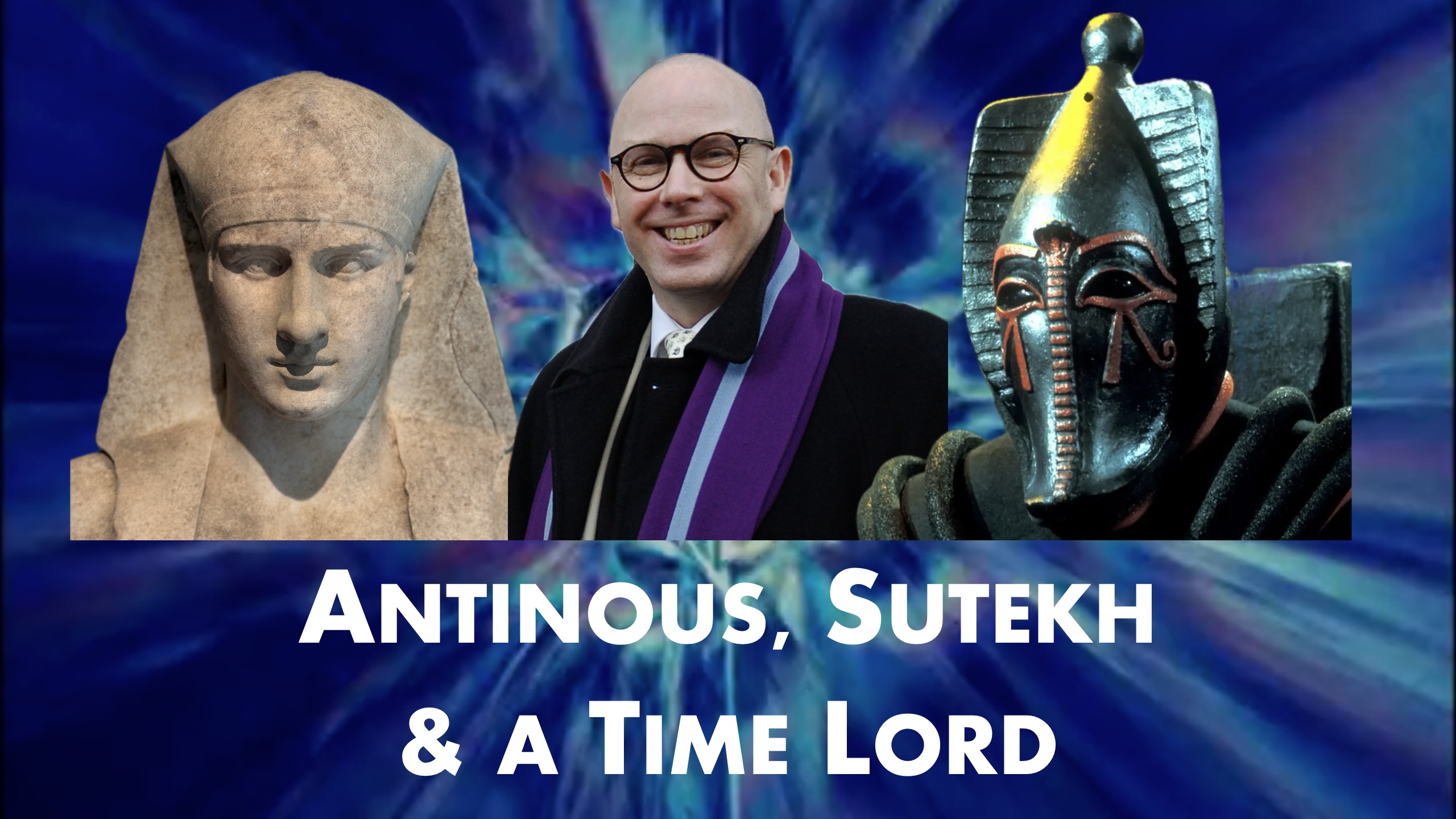
I’m going to make this available to everyone – no channel membership required – as this is more about celebrating the life of a friend than work.
I’m so grateful to all of you who kept your subscriptions while I was taking a break – thank you all. For anyone who has paused their membership or has yet to join, if you want to see the new lectures (and to get access to the full back catalogue) you’ll need to sign up for the next talks in the series which will be as follows:
Ay, Horemheb, Ramesses I: Ancient Egypt’s House of Commoners
Thursday 15 October 2026, 6.00 pm UK time
Live via YouTube – click here
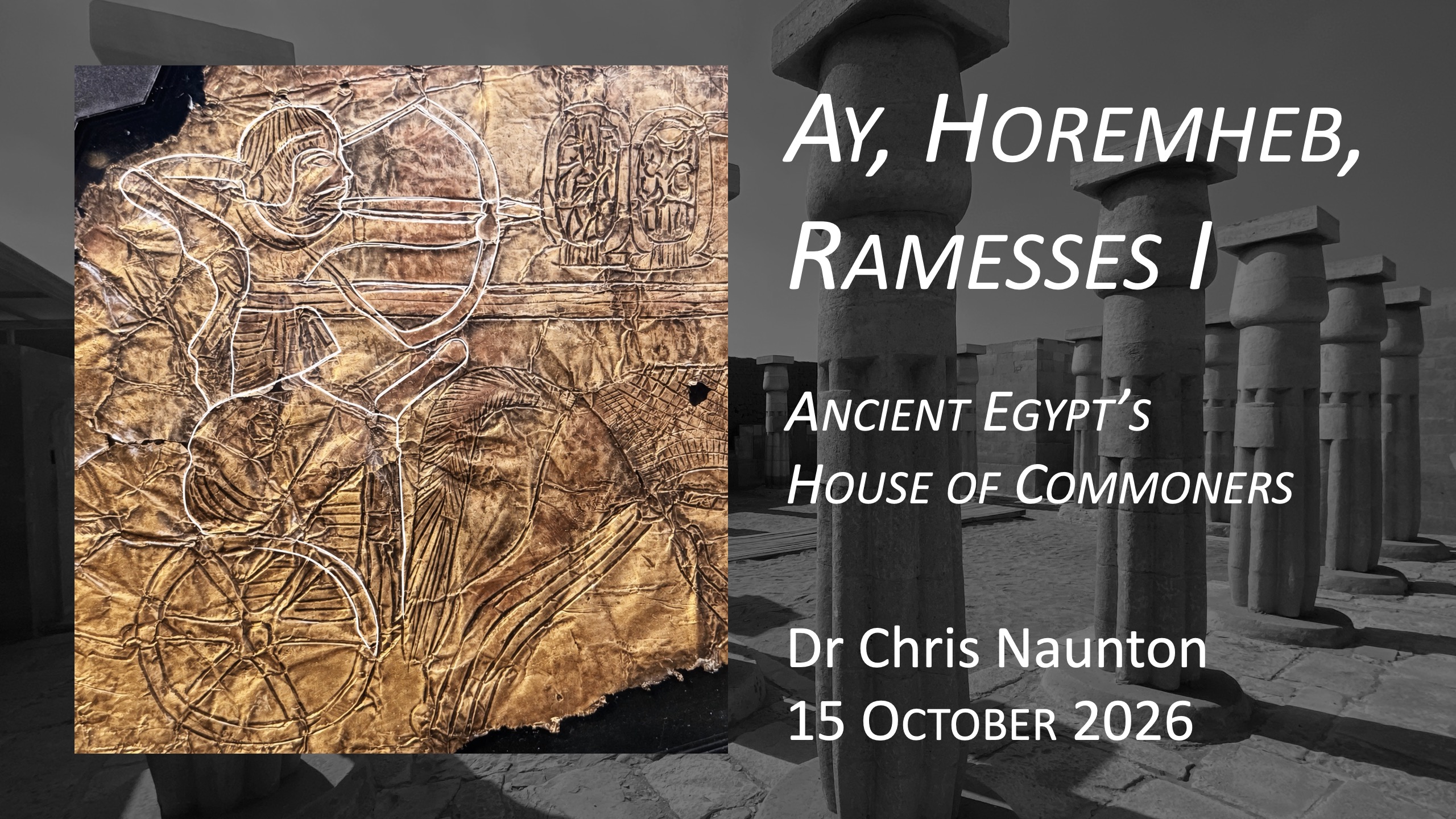
For someone often thought to have been so unremarkable, Tutankhamun lived in the most remarkable times. His reign marked the transition back to the old ways after Akhenaten’s monotheistic heresy, and his ascent to the throne as a child and death just a few years later provide us with the compelling vision of the ‘boy king’. But his early death, without children, brought about the end of the family line which stretched back at least as far as Thutmose I who became king over a century and a half before Tut’s time. This was momentous, and while a new family line – the 19th Dynasty – would eventually establish itself, Tutankhamun was succeeded first by three commoners: the God’s Father, Ay and then two military men: Horemheb and Ramesses I. Who were these men, none of whom can have expected to become pharaoh? What do we know about them? And who might their rivals have been…?
Princesses, Priests and Embalmers: Caches in Ancient Egypt Part 2
Thursday 19 November 2026, 6.00 pm UK time
Live via YouTube – click here
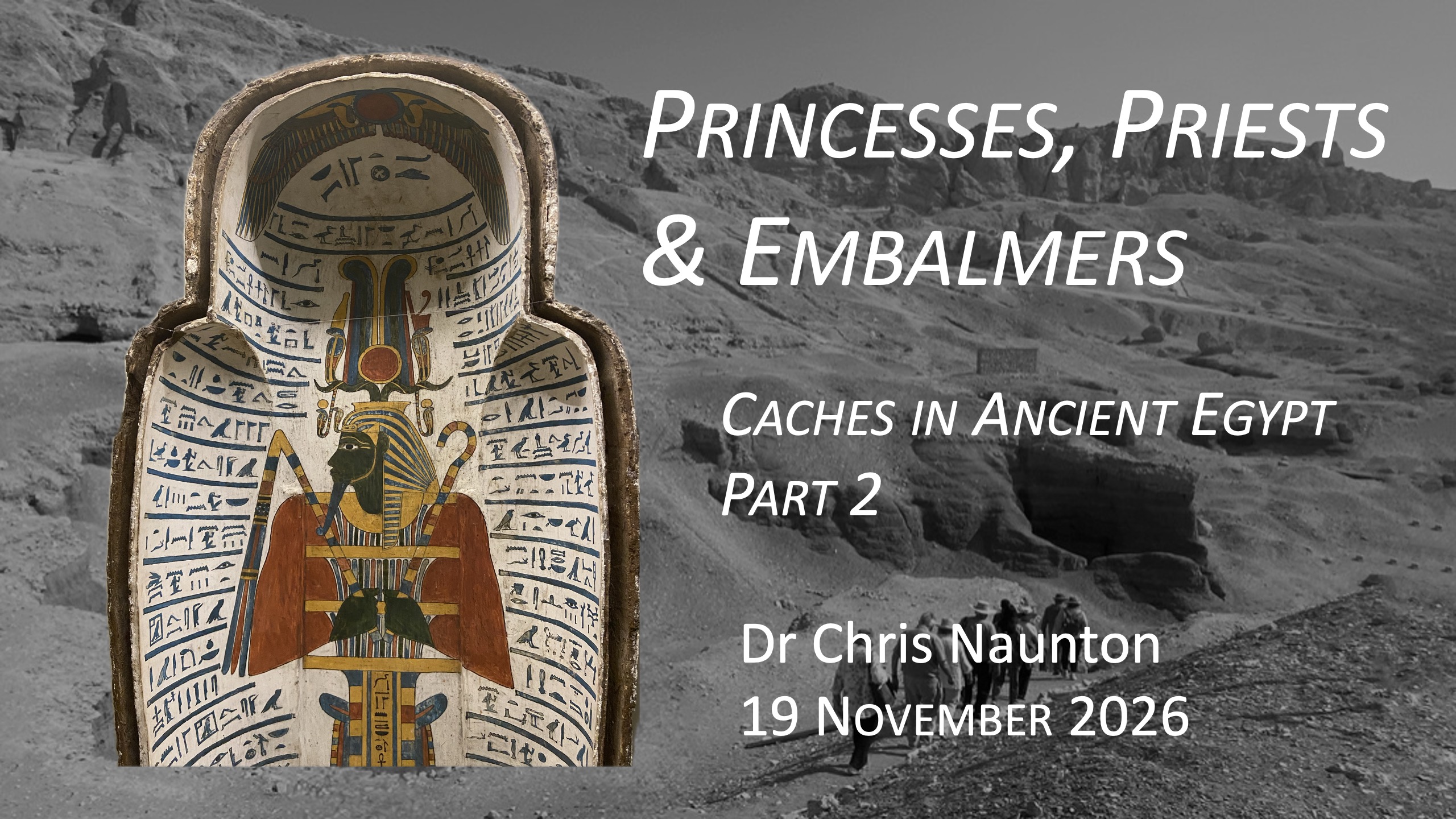
One of the most distinctive and recognisable classes of Egyptian object is the decorated wooden coffin. Thousands have survived and as their form and decoration evolved rapidly over time, they can often be dated quite precisely even if the owner, or the pharaoh during whose reign they lived, is unknown. The decoration of coffins became very ‘busy’ in the Third Intermediate Period and huge numbers of coffins from this period are known thanks in large part to two caches: of the burials of priests of Amun in a tomb which has come to be known as the Bab el-Gasus, and of priests of Montu who were buried within the temple of Hatshepsut at Deir el-Bahri. This is a follow up to my talk on Statues, Mummies and Embalmers: caches in ancient Egypt, hence ‘part 2’, and will also deal in brief with embalming caches.
From the Citadel to the GEM: The history of Egypt’s national museum of antiquities
Tuesday 22 Dec 2026, 6.00 pm UK time
Live via YouTube – click here
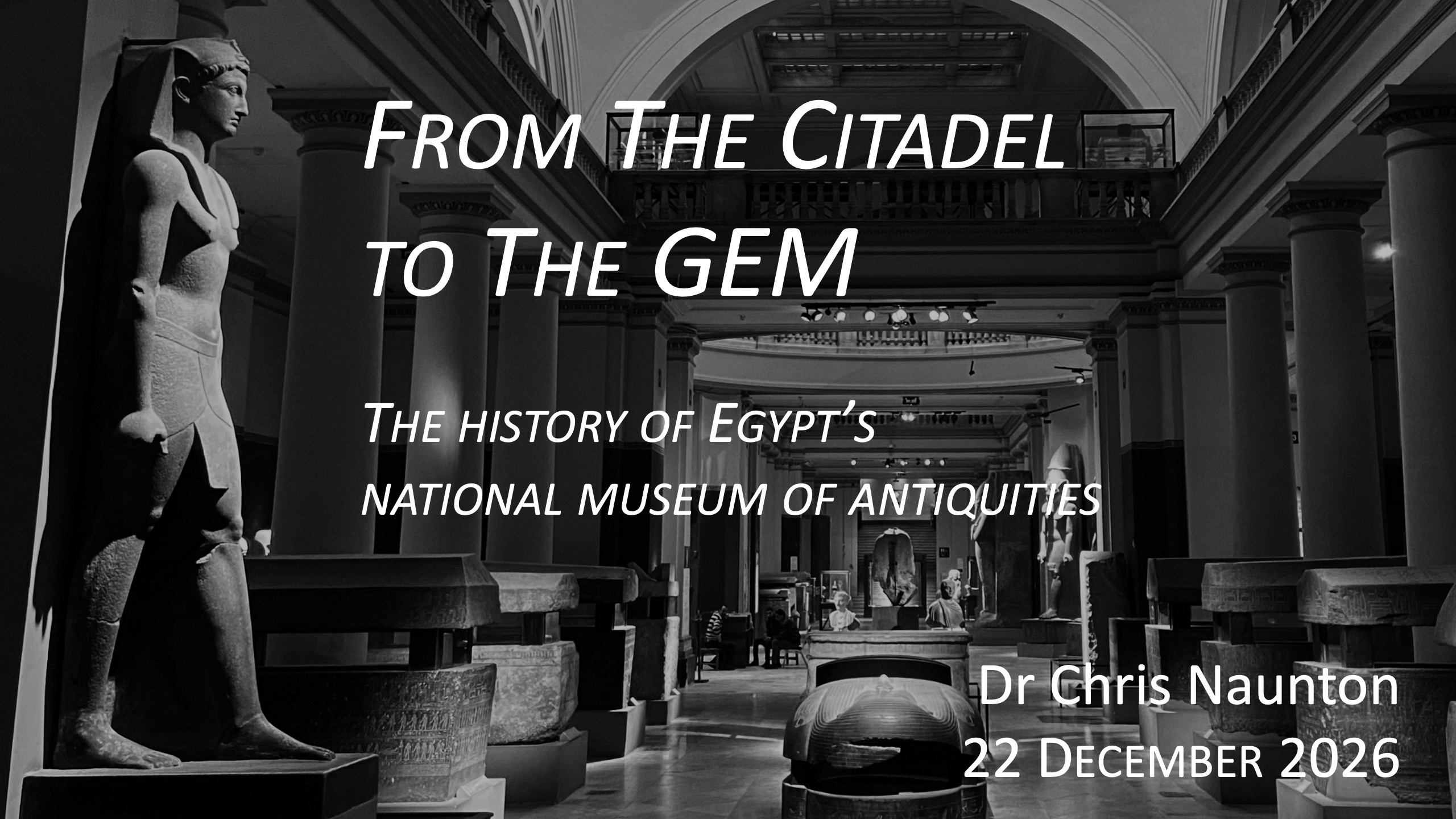
The Grand Egyptian Museum is now finally open and is worth the wait. It is of course the largest and finest collection of Egyptian – or perhaps any – antiquities anywhere in the world, containing a dazzling array of exquisite material of which the famous treasures of Tutankhamun are just one part. The GEM is the successor to the ‘old’ Egyptian Museum on Tahrir Square in downtown Cairo which, thought stripped now of many of the treasures it housed for just over a century, is probably still the second greatest collection of Egyptian antiquities anywhere in the world. One minute inside either building would be enough to show anyone who thinks that all of Egypt’s treasures were taken by those wretched Europeans in the 19th century how wrong they are… But many things were taken of course. The history of the collection goes back to the middle of the 19th century when it was founded, along with the antiquities service, as a means of preventing the systematic removal of the country’s ancient inheritance. This talk tells the history of the collection, warts (sale room!) and all…
PLEASE NOTE: these talks will be available to YouTube Channel members in the ‘Lapis’ category only. To become a member – or to upgrade from alabaster to lapis – please see here.
Thanks for watching!

